


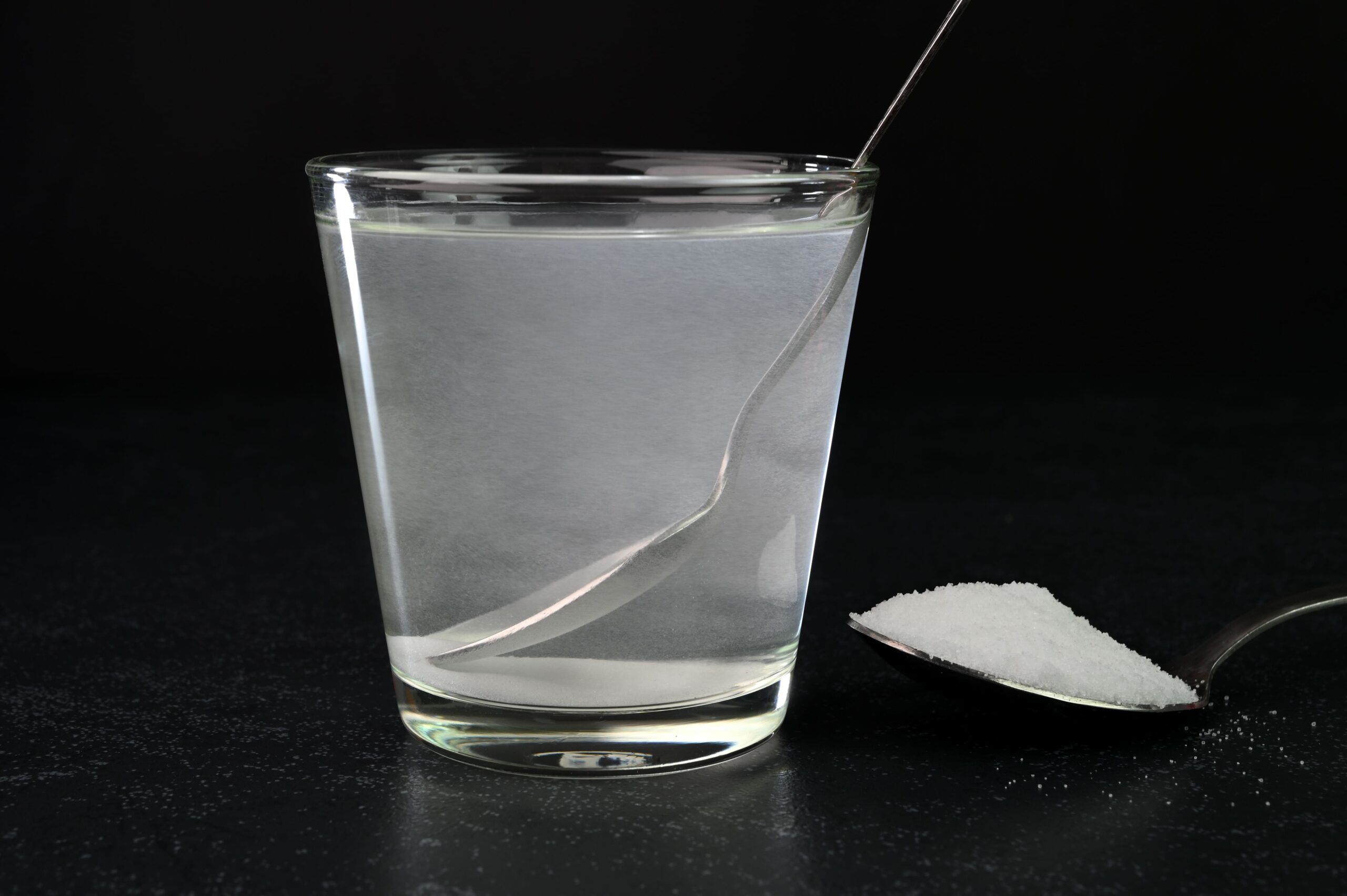
When it comes to home remedies for oral health, few are as popular as a saltwater rinse. Whether you’ve had a tooth extracted, are dealing with sore gums, or simply want a natural alternative to commercial mouthwash, you’ve probably heard that using salt water as mouthwash can help. It’s inexpensive, easy to prepare, and has been used for generations to keep the mouth feeling clean and comfortable.
But can you use salt water as mouthwash every day?
The short answer is yes, in most cases. However, while salt water can be a useful addition to your oral care routine, it shouldn’t be considered a complete replacement for other dental hygiene products. Understanding what salt water can and can’t do will help you get the most benefit from it while keeping your smile healthy.
What Does a Salt Water Rinse Do?
A saltwater rinse is exactly what it sounds like. A mixture of salt dissolved in warm water that is swished around the mouth before being spat out.
The solution works by creating an environment that may help reduce the amount of bacteria in the mouth. It can also help soothe irritated tissues and support the body’s natural healing process. This is one reason dentists often recommend saltwater rinses following certain dental procedures.
Many people find that a saltwater rinse leaves their mouth feeling fresher and cleaner, particularly when they are experiencing gum tenderness or minor irritation.
The Benefits of Using Salt Water as Mouthwash
One of the biggest advantages of salt water rinses is the simplicity of it. Unlike some commercial products, salt water contains no alcohol, artificial flavours or additional ingredients that may irritate sensitive tissues.
Regular salt water rinses may help:
- Soothe sore or inflamed gums
- Ease discomfort from minor mouth ulcers
- Support healing after dental procedures
- Help remove food particles from difficult-to-reach areas
- Provide temporary relief from minor oral irritation
Because of these benefits, many dentists recommend salt water rinses as part of post-treatment care following extractions, periodontal procedures or other dental treatments.
How to Make a Salt Water Rinse
If you’d like to try a salt water rinse, keep it simple. Mix approximately half a teaspoon of salt into a glass of warm water and stir until dissolved. Swish the solution gently around your mouth for about 30 seconds before spitting it out.
Avoid swallowing the mixture, and always follow any specific instructions provided by your dentist, especially after dental treatment.
What Salt Water Can’t Do
This is where many misconceptions arise.
While salt water can help soothe and cleanse the mouth, it lacks several features found in modern oral care products.
For example, salt water does not contain fluoride. Fluoride plays an important role in strengthening tooth enamel and helping prevent tooth decay. Without it, your teeth may miss out on an important layer of protection.
Salt water also doesn’t actively target plaque in the same way some therapeutic mouthwashes do. Nor does it offer specialised benefits such as reducing sensitivity, strengthening the enamel or helping control persistent bad breath.
In other words, salt water can be a useful addition to your routine, but it shouldn’t replace brushing with fluoride toothpaste, daily flossing and regular dental check-ups.
Salt Water vs Commercial Mouthwash
The choice between salt water and commercial mouthwash isn’t necessarily an either-or decision.
Salt water is excellent for soothing irritated tissues and supporting healing. Commercial mouthwashes, depending on their formulation, may provide additional benefits such as fluoride protection, plaque control, fresh-breath support and antibacterial action.
For many patients, the best approach is to use salt water when recommended by their dentist while maintaining a complete oral hygiene routine that includes brushing and flossing.
When to See a Dentist
While saltwater rinses can help with minor irritation, they won’t solve underlying dental problems.
If you notice ongoing gum swelling, bleeding gums, persistent bad breath, recurring mouth sores, or tooth pain, it’s important to arrange a dental examination. These symptoms may indicate an issue that requires professional treatment rather than a home remedy.
Not sure whether saltwater rinses are enough for your situation? Our team at Melton Dental can assess your oral health and recommend the best products and habits to keep your teeth and gums healthy. Contact us today to schedule an appointment.